




Preventative Care for Pets in Bonner Springs
At Bonner Springs Animal Care Center, we offer comprehensive preventative care for dogs and cats — including vaccinations, spay and neuter procedures, dental care, parasite prevention, and microchipping — all designed to keep your pet healthy, protected, and thriving.


Vaccinations
Vaccinations are a vital part of preventative veterinary care. In addition to meeting legal requirements, vaccines protect pets and people from the spread of serious and highly contagious diseases.

How Vaccines Work
Vaccines safely expose your pet’s immune system to inactive components of disease-causing organisms. This allows the body to recognize and respond quickly if your pet is exposed in the future, reducing the risk of illness.
Vaccine Safety
Vaccines are considered very safe for pets. While mild reactions can occur, serious reactions are rare. Our veterinarians carefully tailor vaccine recommendations to your pet’s age, health, and lifestyle to avoid unnecessary treatments.
Core vs. Lifestyle-Based Vaccines
- Core Vaccines are recommended for all pets based on disease severity, prevalence, and legal requirements
- Non-core (Lifestyle) Vaccines are recommended based on factors such as boarding, grooming, travel, wildlife exposure, and social activity
We’ll work with you to create a vaccination plan that fits your pet’s individual needs.

Spay & Neuter Services
Benefits of Spaying & Neutering
- Reduced risk of reproductive-related cancers and infections
- Decreased roaming, marking, and hormone-driven behaviors
- Lower risk of contagious disease exposure
- Reduced pet overpopulation and shelter overcrowding
Most pets return home the same day, and we’ll provide detailed pre- and post-operative instructions to support a smooth recovery.
You can learn more about surgical care on our Surgery page.

Dental Care for Pets
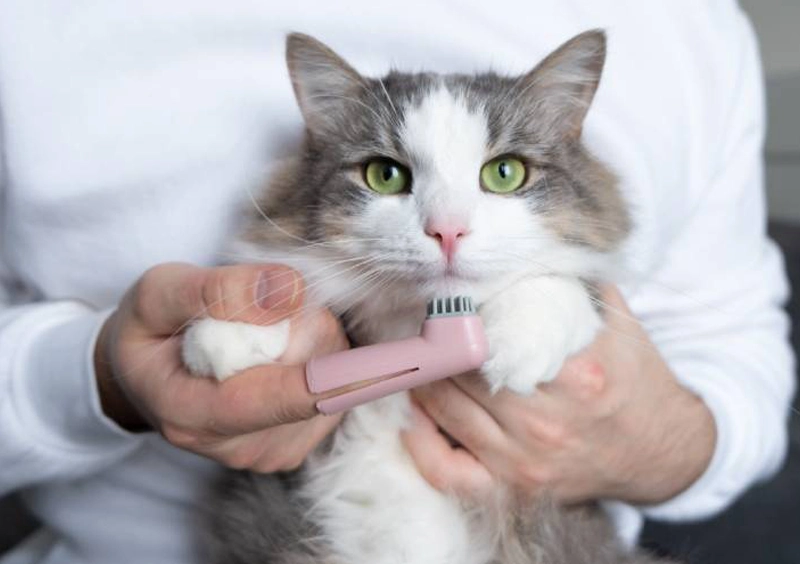
Oral health is often overlooked, but dental disease is one of the most common health issues in pets. In fact, many dogs and cats develop dental disease by the age of three, which can lead to pain, infection, and damage to vital organs if left untreated.
How Dental Disease Affects Overall Health
Plaque and tartar buildup allow bacteria to collect beneath the gum line, leading to periodontal disease. Over time, bacteria can enter the bloodstream and contribute to heart, kidney, liver, and respiratory problems — not just oral discomfort.
Professional Dental Cleanings
During a dental procedure, we scale and polish your pet’s teeth and evaluate the gums and tooth structure for hidden disease. Dental care is performed under general anesthesia to ensure safety, comfort, and thorough treatment.
At-Home Dental Care
Between professional cleanings, regular brushing, dental treats, and chew toys can help slow plaque buildup and protect your pet’s oral health.
Signs Your Pet May Need Dental Care
- Persistent bad breath
- Discolored or loose teeth
- Red, swollen, or bleeding gums
- Facial swelling or excessive drooling
- Difficulty eating or dropping food
If you notice these signs, we recommend scheduling a dental exam promptly.
Sometimes an underlying condition may be present that requires further evaluation or referral to a specialist. If this happens to occur, we will guide you through the entire process and ensure your pet is in the right care.



Heartworm, Flea & Tick Prevention
Parasite prevention is essential for pets in our region. Heartworms, fleas, and ticks can cause serious — and sometimes life-threatening — health issues if not prevented.
- Heartworm disease is spread by mosquitoes and can be fatal without prevention
- Fleas and ticks can transmit disease and cause skin infections, allergies, and discomfort
Microchipping
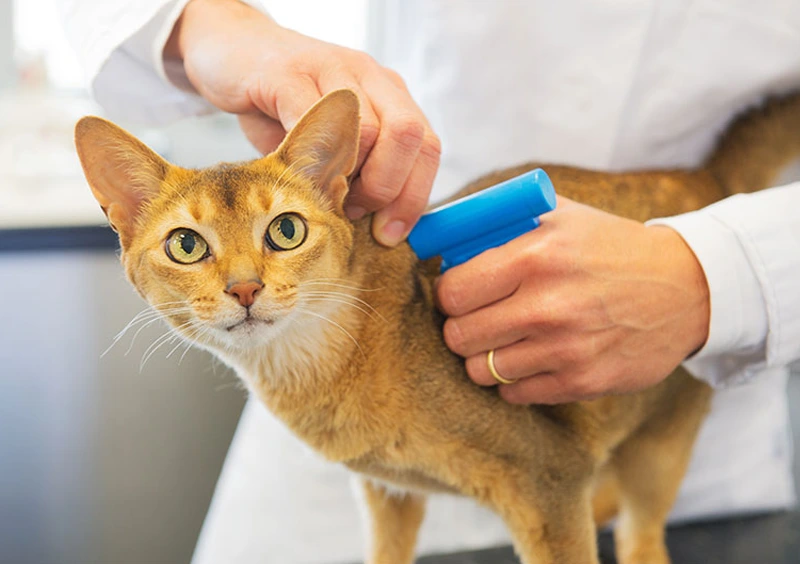
Even the most well-cared-for pets can become lost. Microchipping provides a permanent form of identification that greatly increases the chance of a safe reunion.
Microchips are:
- Permanent
- Secure
- Unable to fall off or be removed
- Proven to significantly increase reunification rates
The procedure is quick, requires no anesthesia, and feels similar to a routine vaccination.
Wellness & Preventative Care for Every Life Stage
To learn more about what to expect during a routine checkup, we invite you to visit our Annual Wellness Exams page.